
+++
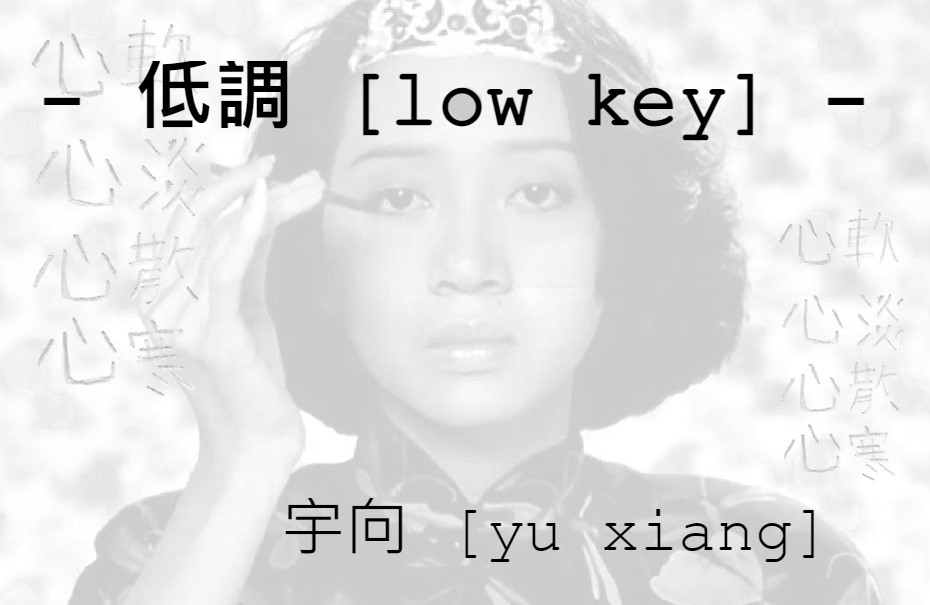
Title: 低調 [Low Key]
Author: 宇向 [Yu Xiang]
Publisher: The Chinese University Press
Plot: Eighteen poems collectivise, cultivate an ego, pool together and create a poet who may have created them to publish a small book capturing their body-mind-constructs.
Subplot: Yu Xiang meets Ho Quotidian and falls in love, has a brief affair with Gum Loon halfway through which transmogrifies into chaos-poem, Sorceress.
+
This is not only a de-con-struc but also a knife fight with translation.
I don’t have the ability to
My aim: read the poems first in Chinese, then in English to see if I got any of it right.
There’s a good chance I won’t.
My Chinese reading level is intermediate, around the same as a nine-year-old native reader. Possibly an eight-year-old now as I’ve been slacking off the last few months.
Maybe I know more advanced vocab than them. I should do, I’m an adult. But so is Yu Xiang, and to be honest I don’t know that much advanced vocab, not in its written form.
Luckily, these poems are quite simple in terms of language. Not sure if I’ll be able to “feel” them or gauge their poetic value [if this exists, some scientists say it doesn’t].
In English, maybe.
Will it translate though?
+
This de-con-struc will definitely be short cos the book is short.
43 pages, 18 poems.
Separate pages for the English translations, so pretty much one poem per page.
+
Should I do inserts, between the poems?
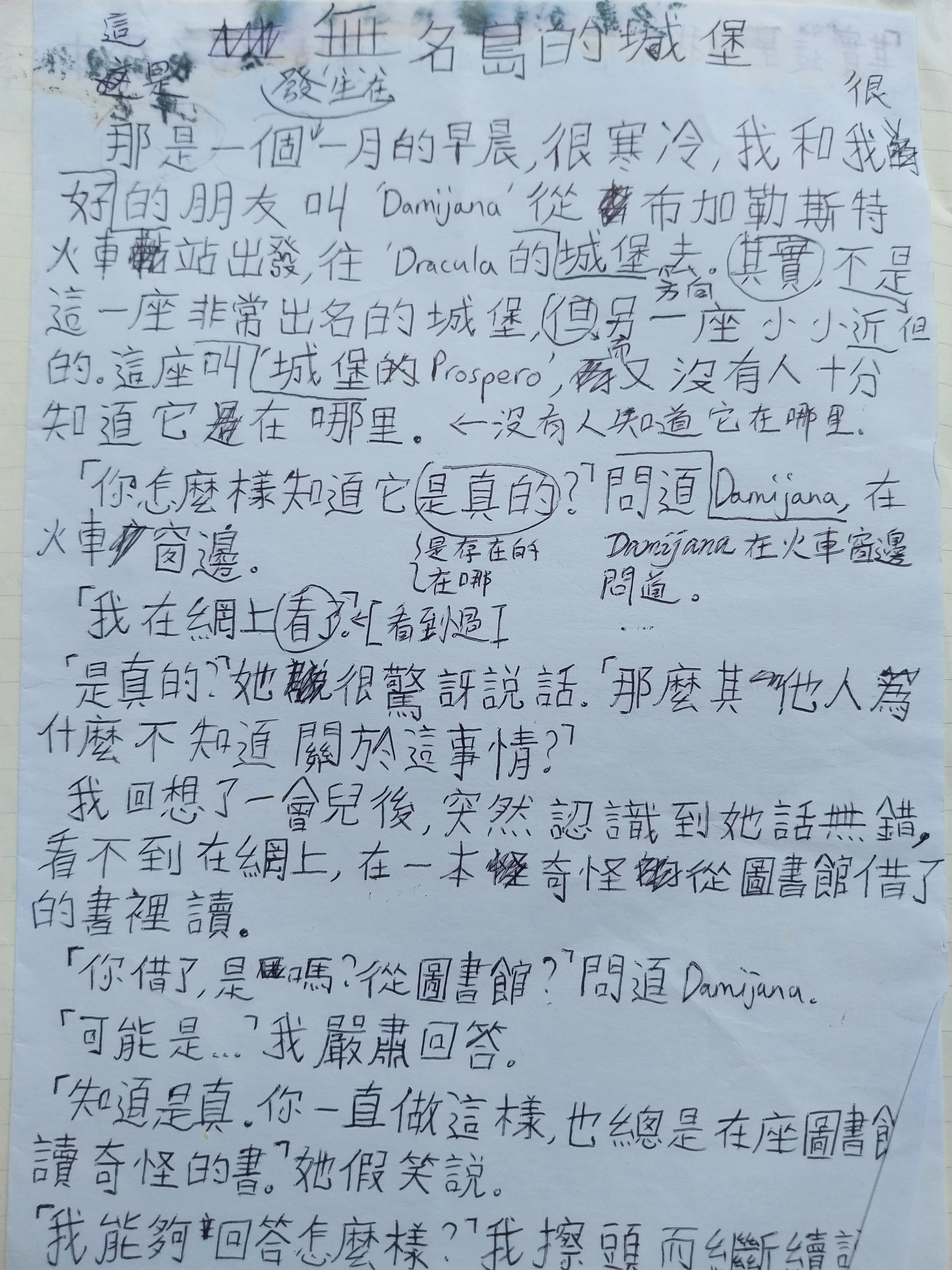
Maybe some of my old attempts at short stories in Chinese, if I can find them.
Or poems in Chinese, very brief, written by me.
Could be embarrassing.
Cut up poems?
+
+
Before putting in a pic of the first poem, I’ll read through the Chinese [original] version and see if I can understand it.
There will likely be some gaps.
Here goes:
+
‘When I’m older, some people
Will naturally [ ?? ]
Rush to love me, while others
Will again [ ?? ] me.’
+
That’s it, short as it gets.
Here’s the poem + real translation:
+

+
Only four lines, with two sticking points:
i] an idiom I don’t recognise but probably should’ve been able to guess as the first part is ‘1,000 miles’, and,
ii] the verb at the end which apparently means ‘jilt.’
No shame in not knowing that.
Actually, I misread ‘still’ as ‘naturally’, not sure why.
+
The poem itself?
In Chinese and English it’s visibly quite basic.
No specific stress on which people will rush to love her and which ones will do the jilting, just ‘some people’ and ‘other people.’
It seems balanced on the surface, but then you think about the word ‘jilt.’
Either she rushed to them or they had an agreement to be together, or they did rush to her at first before getting cold feet and running away again.
The ‘others will once again’ part seems particularly loaded.
She knows who they are.
The vagueness belies closeness.
+
The title of the poem was also unfamiliar to the Chinese side of my brain, unfamiliar as a total construct, familiar as individual characters.
I could guess what it means.
But I didn’t.
I looked at the English translation.
Without this, I would’ve overthought it, come up with an oppositional meaning.
That’s typically what I do.
E.g. yesterday I was in a dessert shop in Shek Mun and the staff asked me if I wanted it separated. I heard what she said, the word ‘separated’, but I didn’t understand why anything needed to be that way, it was already a complete dessert, so my amygdala decided she must’ve been asking something else, a word or phrase I’d never heard of.
When I got back home, my wife asked why the dessert had the coconut sauce added already instead of in a little container. Turned out that was the thing that was being separated and at some point I must’ve missed the staff saying it. Which is weird cos I know the word for coconut and the word for sauce. Maybe it has a special name? Cantonese does that sometimes. Or maybe I was daydreaming about Xxun again?
Did I want the coconut sauce separated?
To be honest, I didn’t care.
Just shove it in there.
+
Chinese idioms are tough.
Very abbreviated, often with a cultural connotation that I may or may not know, sometimes a historical one which is even more impossible.
95% of the time I won’t know.
This title was okay though, not the toughest.
Pretty much the same “feel” as in English, same ironic contradiction of something that allegedly goes without saying but is also quite specific i.e. is it normal for ‘others’ to jilt someone ‘once again’?
Sounds more like a personal vexation.
Which is why I used ironic contradiction. Ironic cos there’s a tone to it that I can’t quite place, maybe sardonic, maybe ironically non-sardonic, maybe sardonic twenty years ago when the jilting first took place but now she’s used to it, it’s fine, just put it down matter-of-fact in a poem and publish it.
Is it sardonic?
Do I even have the right meaning of that word?
Sardonic: ‘grimly mocking or cynical.’
Yeah, it might be that.
The whole book might be that.
Let’s see.
+
Next up, the poem My House, or My Room in Chinese.
[According to the dictionary, it can be either, but I’ve never heard anyone here in Hong Kong refer to their house as ‘Fong Zee.’ I’ve also never heard ‘coconut sauce’ either, so could be wrong].
As before, I’m gonna attempt a translation of the Chinese [original] version first. This poem is longer than the first, so there may be a few bumps.
[Puts hands in burning coal]
+
‘I have a door, used as a warning
Be Careful!
You might get lost.
This is my house, a narrow and long
Corridor, a table with a view.
A [ pear ?? ] tree. A [ ?? ].
The corridor is full of books
Written by people long dead,
Too old, already there are no poets
To feel this danger.
I have a chair, sometimes
It will disappear, if you have the heart
You can wipe it from your mind,
Then in front of my eyes, it
Will [ ?? ]’
+
This is quite draining, so I’ll stop the translation there.
Also, I’m not sure what the next sentence means, there appears to be a book name I’ve never heard of, and something about waiting to clean hair.
This is the danger of poetry, the chaos.
Hair could be magickalised, conjured into performing human acts. Or paired with weird things that shouldn’t exist in that environment.
The translation I did manage…well, as expected, there were some gaps.
The last part especially – the disappearing chair – feels very poetic/magical realist/whimsical, and I’m not sure if I captured the correct meaning.
Why is the chair disappearing?
What does it mean to the poet?
+
+
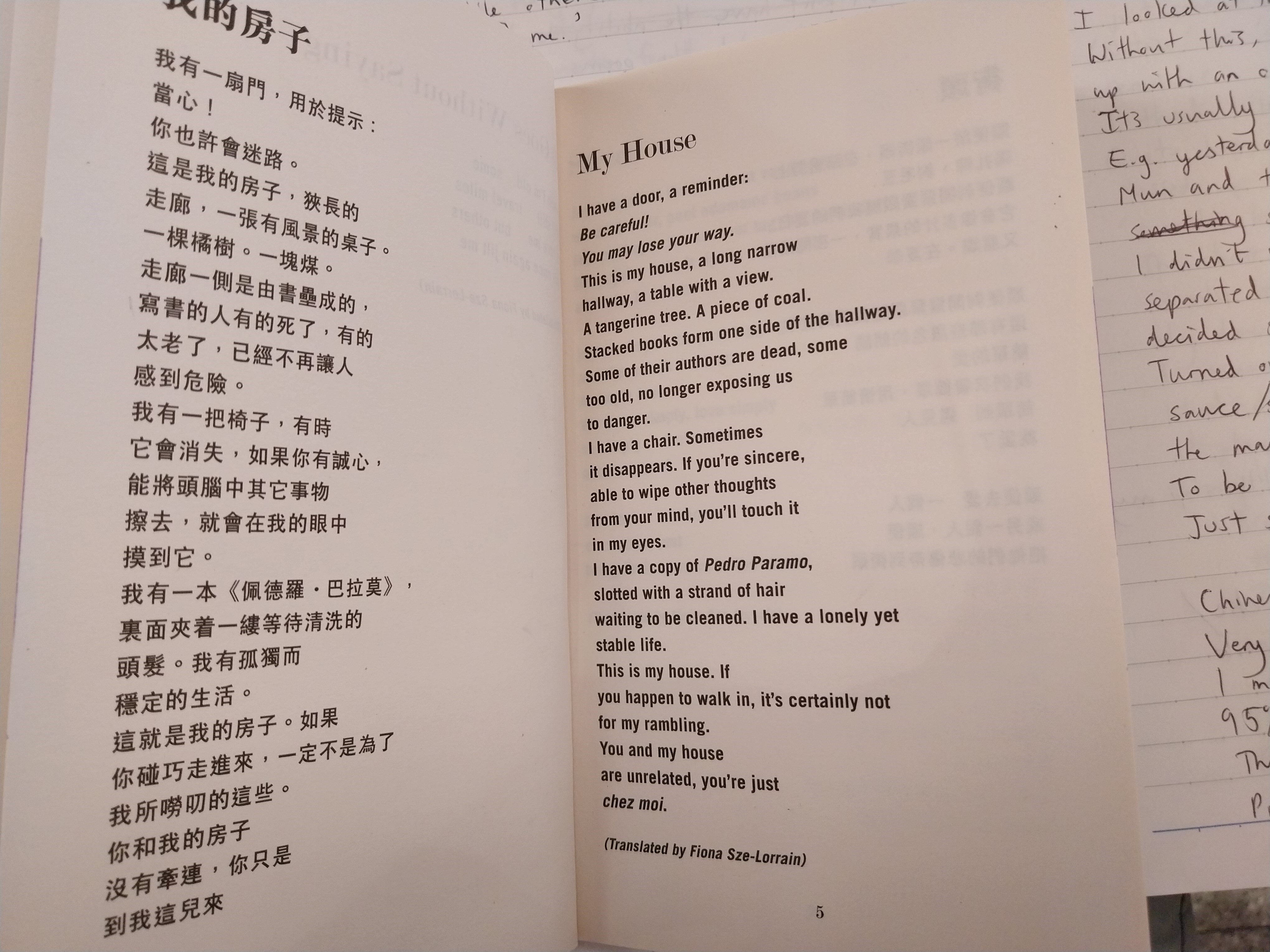
This is the actual poem.
First line should’ve been ‘reminder,’ not ‘warning.’
I knew in my gut it wasn’t ‘warning’ when I wrote ‘warning.’ I just couldn’t think of ‘reminder.’
‘Notice’ and ‘express’ came into my brain, but not ‘reminder.’
I think I lack the required focus for translation.
And the skill.
Quite happy that I got ‘used as’ correct though.
Messed up some of the specifics of the ‘corridor book stack’ part, but got the general intent.
The chair stanza [if a stanza is what it is, I’m not a poet] is also whimsical in English.
Why does the chair disappear?
I assume it’s a metaphor, but for what?
What does the chair mean to her, what role does it play?
Theory: the book authors are all dead/too old in the preceding stanza [?], so the chair is carrying on this theme. It is instilled with memories, nostalgia. The author has lost or is losing her connection to the past. The house is stacked with signifiers and moribund signifieds.
The ‘YOU’ is left unclarified.
Could be someone important [+ resented] or another side of the author herself?
+
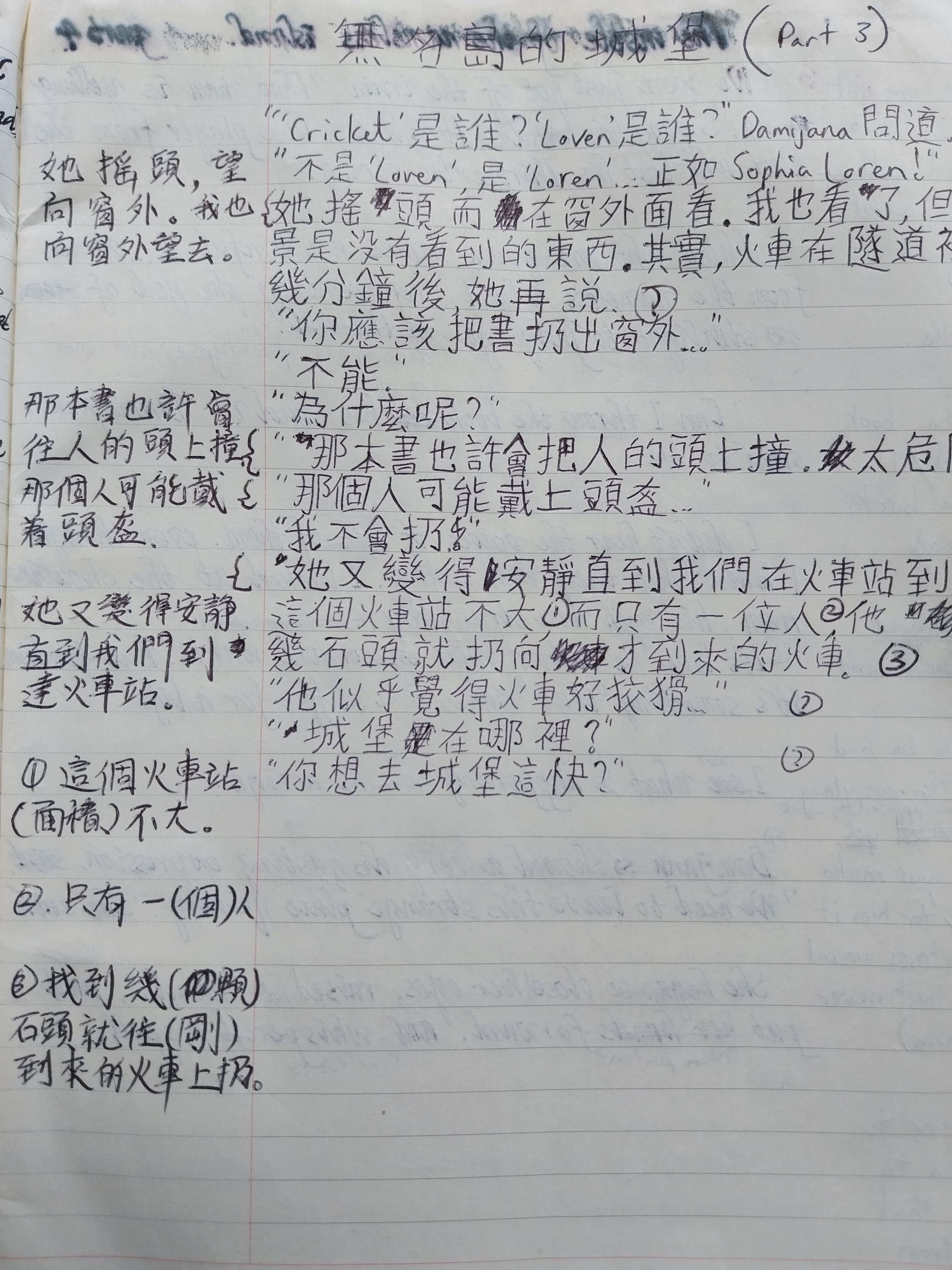
My house?
I can barely remember it now.
The one from childhood.
There were tables + chairs + VHS cases + tattered books, most of which I wouldn’t be interested in now, would probably call it mediocre writing e.g. Neil Gaiman, Red Dwarf tie-in novels.
A copy of the The Cool Surface that I got for Christmas one time.
Or was it The Turning?
+
+
I’m not gonna do all 18 poems, I really have to make these de-con-strucs shorter, 7-10k words is basically a novelette, it’s unsustainable mentally.
The last few I’ve done have been spectacular.
It’s tempting to do more of these mega-projects.
White text on black-ground, red Satan pics juxtaposed with Willo the Wisp, distorted Solaris shots.
Don’t.
+
I’ll pick some poems at random, based on feelings provoked by the English titles.
Stick to the ‘read in Chinese first’ method.
I haven’t looked up any words in the dictionary yet, but maybe I should. The vocabulary won’t stay rudimentary forever.
Hopefully no more idioms pop up.
+

+
Who is Yu Xiang?
Post-70’s generation Chinese poet, started writing in 2000, known for a deceptively simple and mundane poetic style/content that spikes occasionally with bleak sardonicism.
That’s not a direct quote, but close enough.
She’s well-regarded internationally, by the poetry community [whoever or wherever they are], has been given several prizes by it/them.
Perhaps they know what the disappearing chair means?
No real social media presence that I can locate, which is probably a good thing, particularly for a poet who writes micro-quotidian like she does.
Don’t wanna waste that shit on Tumblr/Twitter/Xanga/Friendster etc.
+
There’s actually no real access point for me to burrow into Chinese poetry as I’m nowhere near that level of fluency ability, but these mundane-core poems of Yu Xiang make it a little bit easier.
The problem is whimsy.
I’m not a huge fan of it.
Specifically, the wispy kind.
I can’t explain exactly what I mean by that, but you know it when you read it.
Maybe I can offer something, a symptom:
Example: Lack of tight references/detail e.g. writers in Hong Kong dropping in generic Cantonese food names and that’s it, no character or prep of the dish, no failures in doing this prep, no relationship to the thing at all, this is really aggravating. There was a novel by an Irish ex-pat a year or two back that was similar to this, it wasn’t badly written, but the Hong Kong as backdrop element was embarrassing, she obviously had no real relationship to anything beyond Hong Kong island, no bond with Cantonese, it was basically a postcard for westerners, like Lost in Translation where Bill Murray made the same jokes as a first year NET teacher, not funny at all.
My House veers between wispy and this ‘tight’ state I long for, from the disappearing chair to a ‘copy of Pedro Paramo.’
Brevity helps too. The poems are slight, fixed nonchalantly to something real. There’s no attempt to really milk something out of this smallness.
I’m not feeling aggravated by ‘wispiness’ yet.
+
Went to the library yesterday looking for more poets and there was wispiness everywhere.
Why is it like that?
If you think of capturing something in poetry/prose as different strata in the Earth, then these poems go as deep as the Asthenosphere [had to look that up obviously, never gonna say it, seems tough to pronounce].
It’s not enough.
Wispiness without inversions, specifics, inter-subjectivity, insanity, contradictions inside contradictions, wicked contradictions, faux-contradictions, is pointless
[To me].
It’s like studying a drugged leopard in the zoo.
You’ve discovered nothing.
+
Been trying to write a Cento this last week.
Feel shackled.
Only as good as the source quotes you excavate.
Maybe fix onto one solitary theme e.g. Giallo/Blake’s 7/Madhumati/Angela Carter?
+
Am I wispy?
+
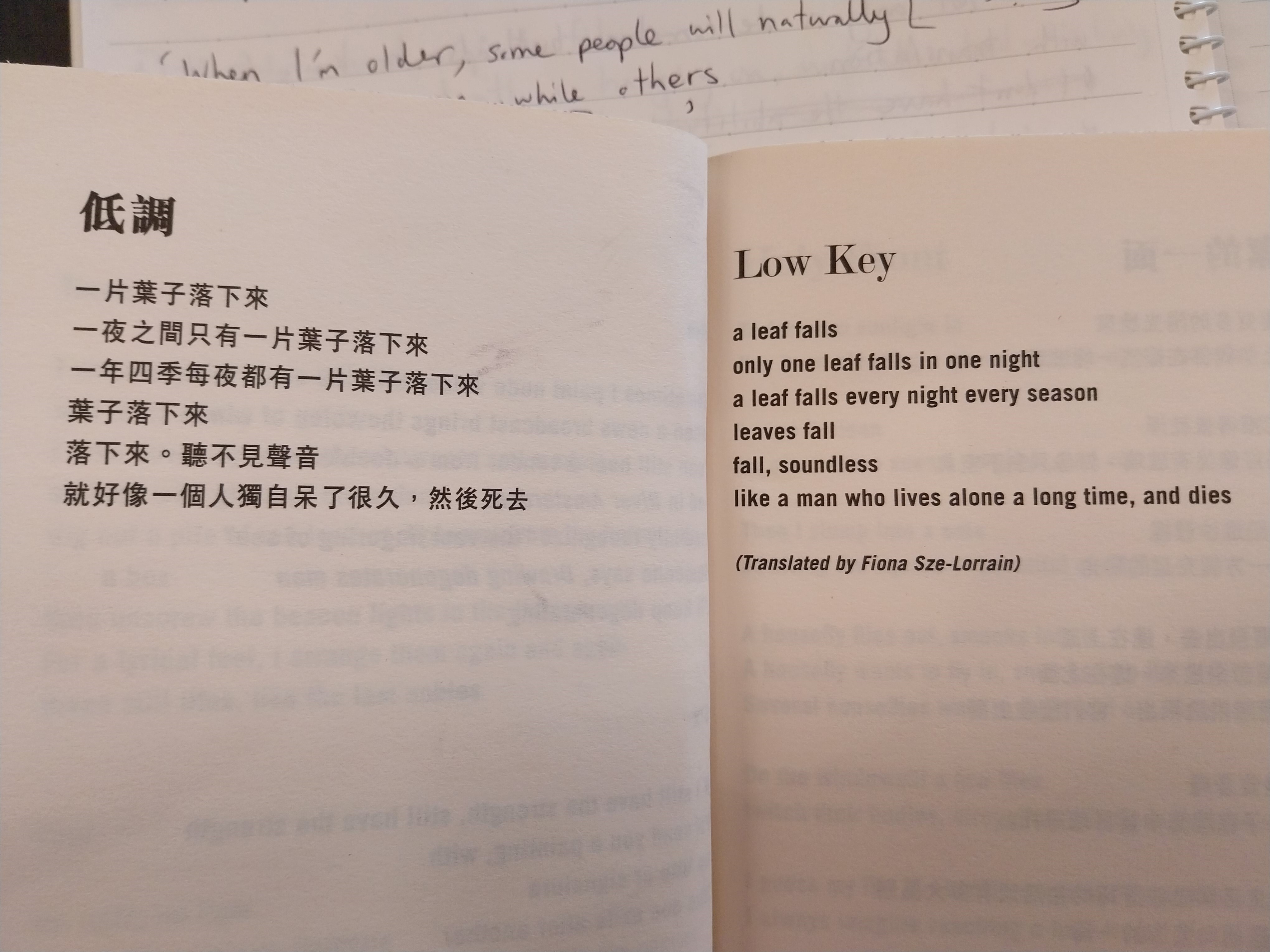
Next selection, Low Key.
Could be a pun, could just be low key.
Here’s my [potentially anorexic]translation:
+
‘A [ ?? ] falls down
The whole night, only one [ ?? ] falls down
All year, all seasons, all night, only one [ ?? ] fall down.
[ ?? ] falls down
Falls down, didn’t hear a sound
Then it’s like a person alone for so long, and then dying.’
+
This is the titular poem [of the book], very low ley as threatened.
Hinges on the one vocab that I’m unsure about. I think it might be leaf as it has the ‘plant/veggie’ radical on top. Leaves generally fall. Only one leaf, the whole night? Seems a bit weird. But this is poetry. Must be leaf. Isn’t it? If it IS poetry, it could be anything. A fox. A Panadol tablet. Eric Stolz.
I haven’t checked the translation yet.
+
I’ve checked and it was ‘leaf.’
Feel quite relieved, it’s a basic word and I should be getting it, but I had to use a logic-assist to get there.
+
+
For some reason I attached a subject-POV to ‘soundless’ and came up with ‘[someone] didn’t hear a sound.’
I need to think more poetically.
Too fixed on literal translation over a more dynamic methodology.
Though it’s not always clear [to me, a non-native Chinese reader] who or what the subject is, or if the subject has changed to a leaf or disappearing chair.
Poetry is a shifting mass.
I’m doing okay.
Most of my translation was accurate, it just wasn’t very smooth or lyrical,
Be more dynamic, Neruda.
+
How low key is Low Key?
It’s about death-life and death-there, death-alone without a sound.
Is this a generalised or about a specific man the author knows?
It’s written as ‘generalised’, but, taken only in that way, comes across as a bit shallow.
Too flat/deadpan to be wispy though, thank gods.
Would have much more weight if it’s about someone.
Knowing people die as a natural process, alone even, doesn’t do enough [for me].
It’s not bad, I kind of like it.
It does evoke something…pathos…depression-residue…feelings about my mum’s forced state…but it’s fleeting.
+
+
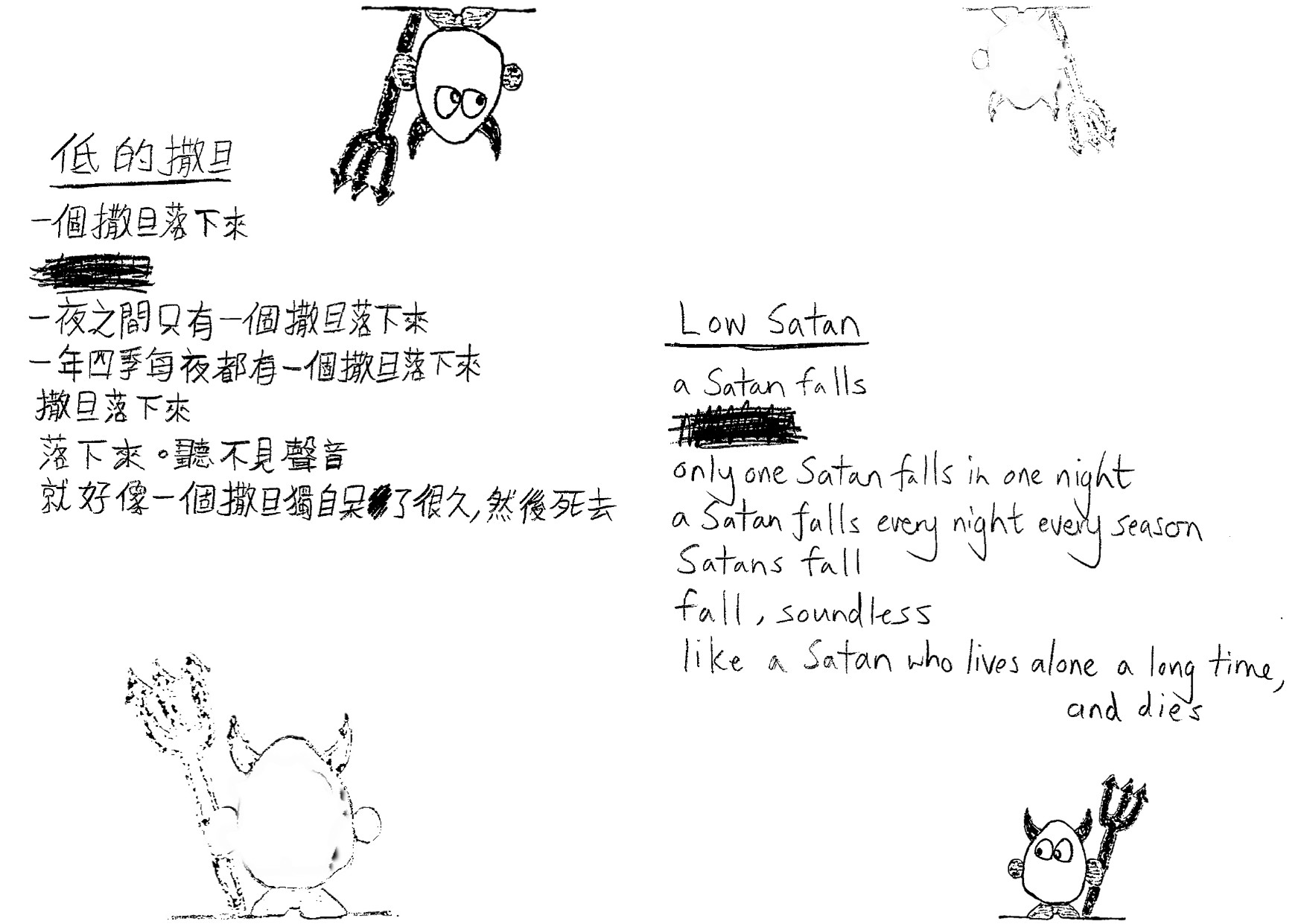
That one was mine, a cut-up of Low Key and a poem later in the book called Satan.
It’s a bit cute, a bit mo lei tau, but maybe works?
The next Yu Xiang piece is I Really Want This.
Does she?
As before, I’ll put my translation first [for ego/humiliation reasons]:
+
‘I want to [hug??] you
Now, my right hand taps against my left [ ?? ]
My left hand taps against my right [ ?? ]
I only want to hug you, I want to
Down and sleep on your [ chin??]
Now, you stand in front of me
I want to hug you more
Forcefully, tightly, hug you
I want this/ want it like this
My hands tighten their grip on my [ wrist??]’
+
I think the hands might be tapping against the wrists, and ‘brushing’ instead of ‘tapping.’
‘Tapping’ sounds like the Chinese word being used though.
Is it poetic enough?
I’m second guessing myself.
Even the title feels odd [in English]. In Chinese, it’s I Really Want It Like This [or alternatively, I Really Think Like This as the character for ‘want’ can also mean ‘think’, it’s quite ambiguous], but I’m probably wrong in this case.
I mean, I think that’s what it means, but is it?
Third guessing myself now.
I don’t know.
+

+
It’s shoulder! Fucking shoulder!
Bot tau!
Only it’s the written version so I didn’t know it. Logically, it had to be either wrist, shoulder, forearm, breast, thigh, genitalia or kneecap. What else could you stroke/tap?
Also, there’s no ‘tap’, no verb at all, just ‘my right hand is on my left shoulder.’
That feels like cheating.
Or I’m not dynamic enough.
+
Okay, I fucked up the ‘chin’ + ‘chest’ part.
Didn’t know ‘chin’ was written like that, and I thought ‘chest’ was ‘chin’ and that ‘chest’ was the object-character’s, not the author’s.
Again, I’m muddying the subject-POV, muddying my own brain. One error leads to a second error, leads to a third, leads to a translation that makes more sense as a human action i.e. resting on someone’s chin [or chest] but no sense in relation to the theme of this poem.
Theme of this poem: unfulfilled lunatic impulsive desire machine [of Felicity Huffman]. When you want to hug someone so hard you crush their skeleton.
But you can’t [for some reason].
The ambiguity works here, this time.
Is it someone the author pines for or someone they already possess?
+
Every day I want to hug my wife like this and then I get flashes of the state of my psyche and think, this isn’t going to last, I’m a wreck, unhuggable.
+
If I don’t get some fucking eyes on KRV or Planet Rasputin, I’m done for.
BUY MY BOOKS.
They’re better than all known sci-fi, long gone and still here.
+
+
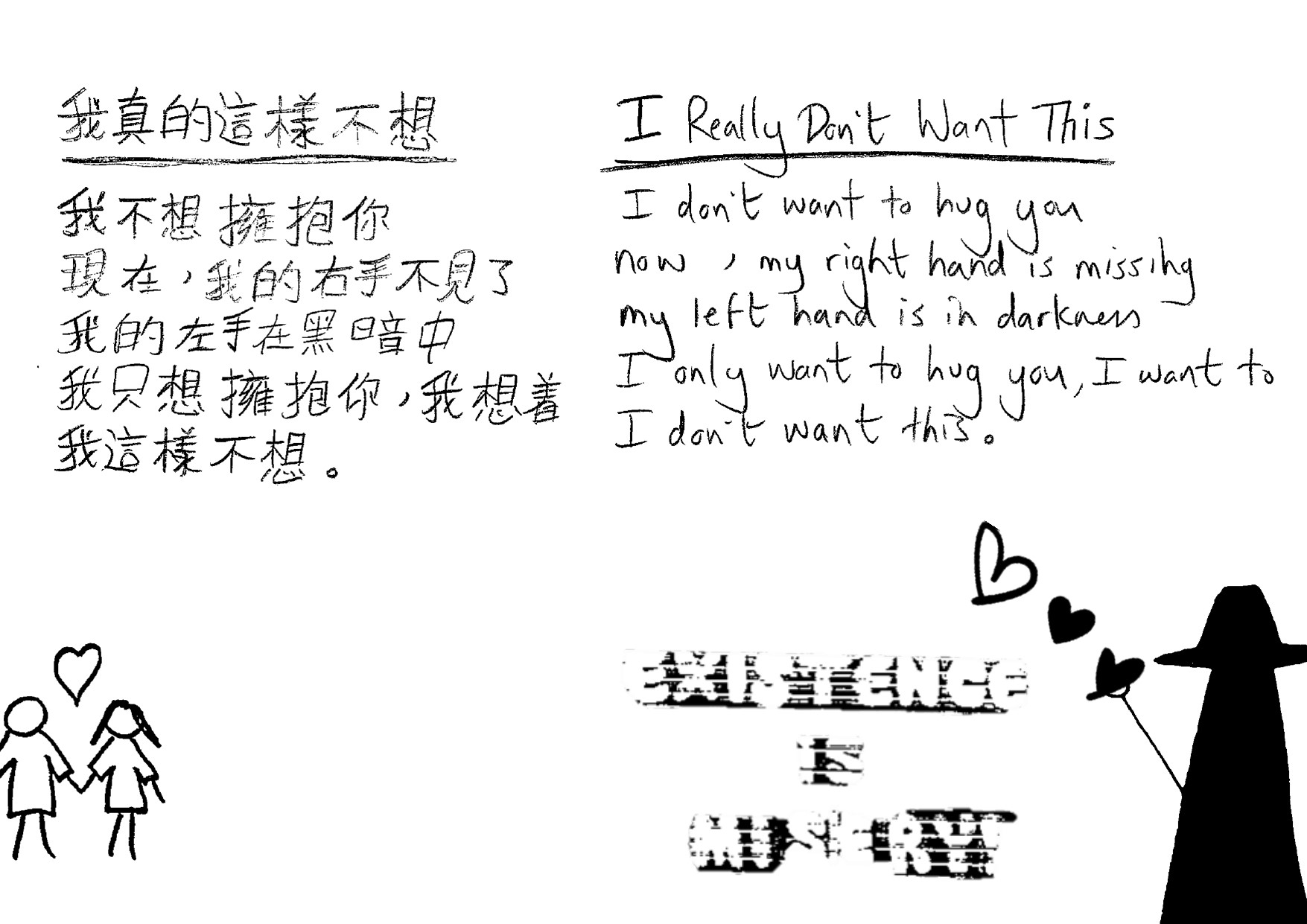
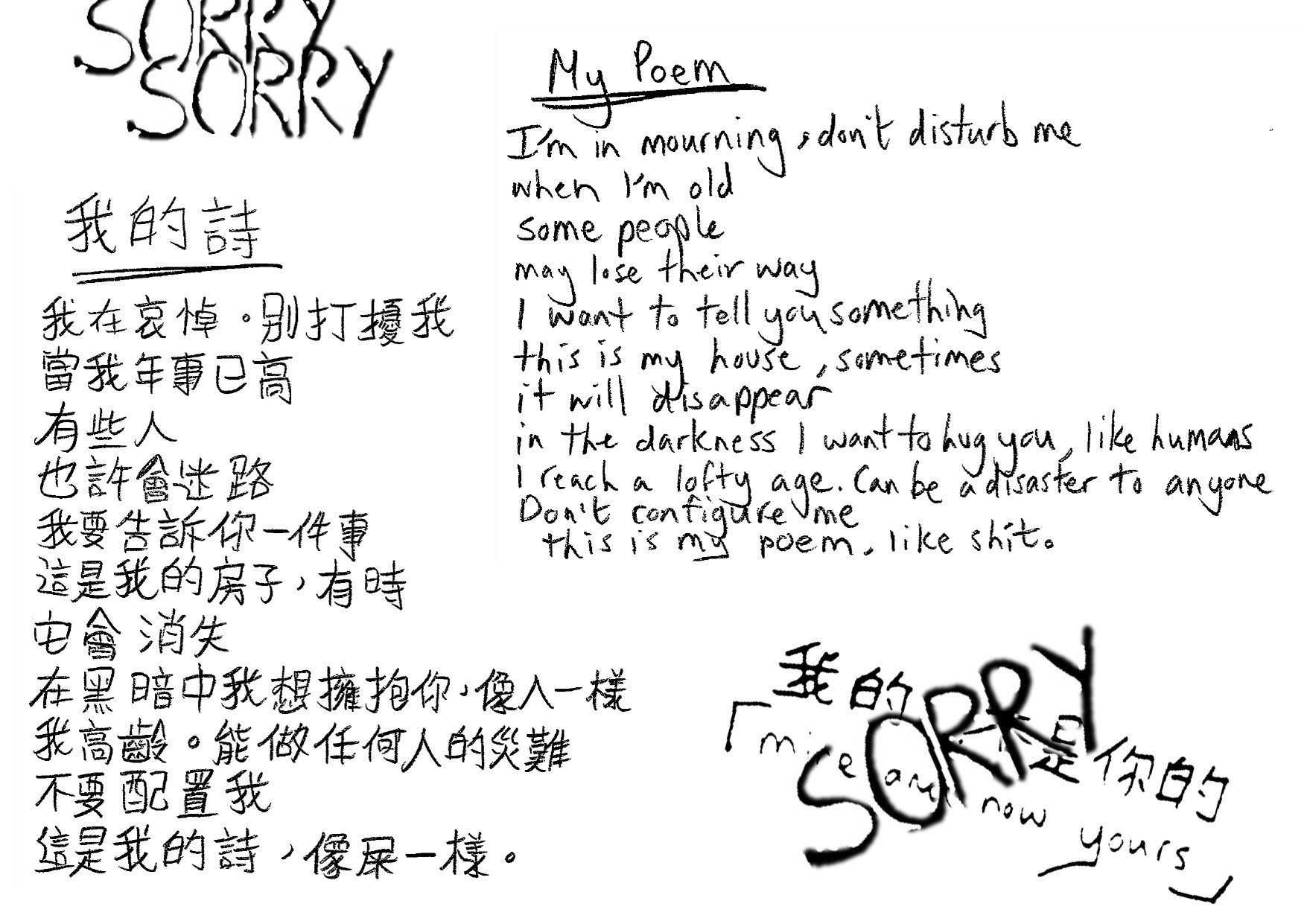
My counterpoint, contradiction, careless drunken nosedive into Chinese poetry.
But not really cos it’s still a cut-up.
Actually, it’s not, it’s something else, has my own lines in it, which I hope are at least a little bit accurate.
I’ve tried reading it out loud a few times, no idea if it works poetically. I’m just not at that level [of awareness in Chinese].
Awareness is many-layered.
There’s just not enough emotion attached to a sufficient number of Chinese words for poetry to connect in a way that does something to me.
Does poetry in English do that?
Some.
If it’s attuned to an Obayashi universe where poetry is a dead-live ecstatic event flagellating itself inside a tetryon rift.
+
+
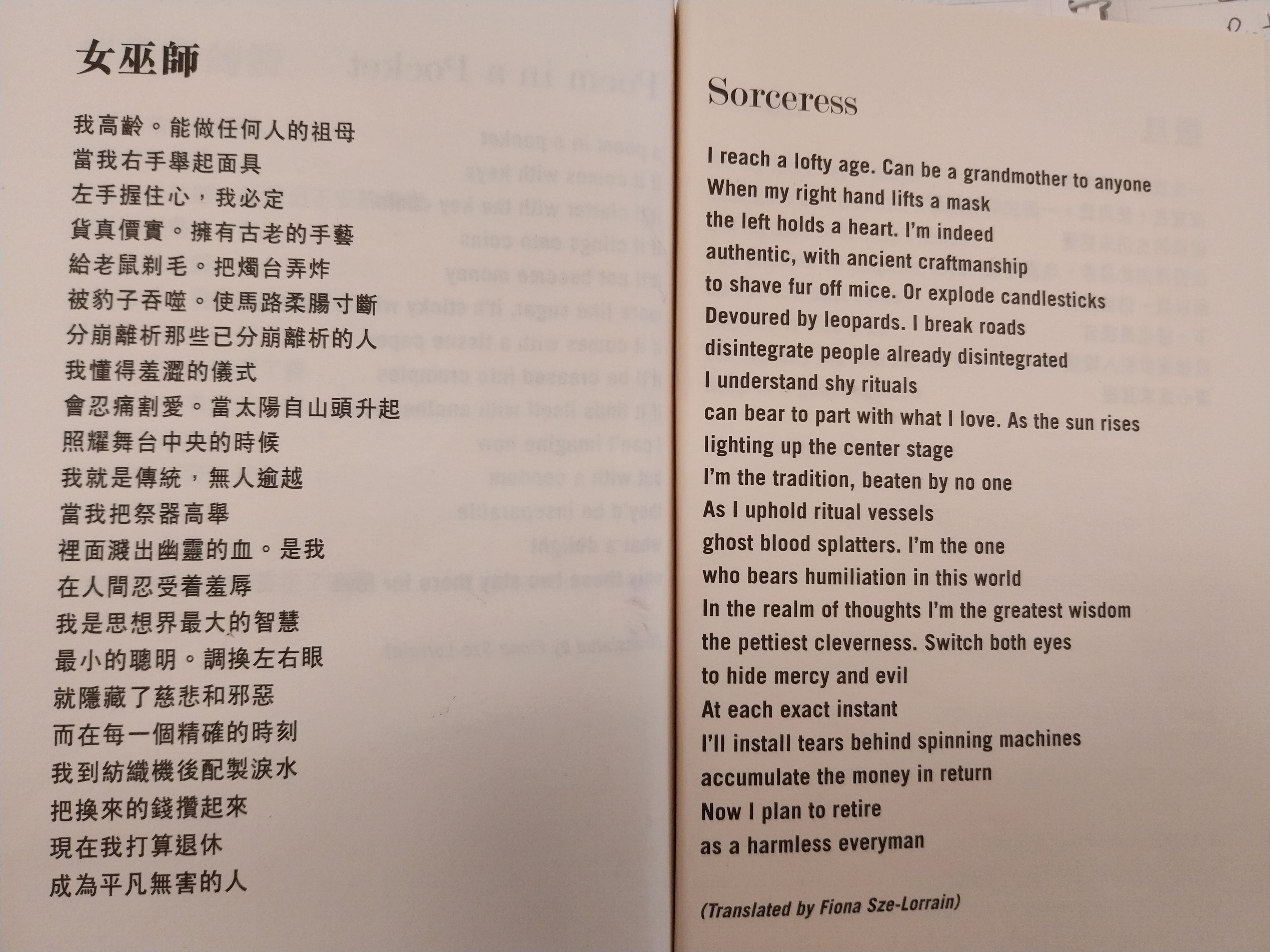
I had to do this one cos I wrote Castle Damijana once upon a time and soon after got cursed by a sociopathic witch who wanted to pretend she wasn’t a coddled little rich girl.
‘I’ve been rich and I’ve been poor, and I can tell you that it’s better to-…’
Rich people are never poor.
[Always money in the banana stand].
+
I’ve skipped the usual ropey attempt at translation cos this poem’s quite long [still comes in under a page] and I don’t want this to drift into another 6,000+ word epic.
I did read it in Chinese first though.
Got a bit lost with the specific vocabulary and rhizome swerves delineated by no fixed subject.
That could be a recurring problem [on my part].
Just assume it’s always the author herself as that’s what it seems to be.
+
‘When my right hand lifts a mask
The left holds a heart.’
+
Surprisingly, I translated this line correctly, but then doubted that translation.
It’s weird, in English it’s fine, it’s a poem about a sorceress, of course she can hold a heart in her hand, but in Chinese, I’m still looking for a frame of logic.
I need to break this aspect, adapt to what I’m reading.
+
‘I break roads
Disintegrate people already disintegrated
I understand shy rituals
Can bear to part with what I love.’
+
This is Danika-esque.
And very distinct from the other poems I’ve read so far. It’s in the eye of the virulent pissed off storm [there’s a better way to describe that, will try to think of it later]. Internal madness, Manichean eye switches, mercy + evil, finding blood in a ghost and splattering it.
The Sorceress is an actual sorceress, alone [as most characters are in these poems, as we all are], or the unconscious of the author given brief reign?
+
‘I’m the one who bears humiliation
In this world.’
+
As a captured Id?
I’ve looked back at the few poems before this one and they’re not at all alike. This is an exception, a pitch black sheep.
She’s the tradition, beaten by no one, but which tradition exactly?
Witchcraft/Paganist?
Growing old alone?
I guess it works as both speculative, psychological study [of a sorceress] and the author’s Arguedas-like rant.
Arguedas didn’t actually rant.
He even pulled his punches a bit, if I remember right.
Then shot himself.
+


+
‘I’ll never fly, or leave, for I stand on firm feet
And look far, gathering shadows enough for a poem.’
+
This is a nice line.
And the poem itself has a pleasant flow.
Can’t decide if it’s a reaction to treading water [standing on firm feet, same old shadows] or treading water in itself.
+
‘My dogs died one by one, each and every drop
Of my coldness.’
+
Is this authentic? A slip?
Based solely on this book of poems and the author photo I graffitied earlier, the author doesn’t seem cold or particularly tortured. But then, there are slashes of nihilism where something darker crawls out.
Most of the time it’s solitude + quotidian blots, or a sardonic reflex e.g.
+
‘who should I mourn
I’m mourning. Don’t disturb me.’
+
An ironic reflex maybe.
There’s no malice, no delight.
Just playfulness.
Like having oliisgonnadieoneday@gmail.com as an e-mail.
+
If you put a machete to my neck, I’d prefer a whole book of poems like Sorceress and My Poem, especially Sorceress.
Or at least 70% like that.
Note: I checked and she has a chapbook called Sorceress, will have to check it out.
+
‘This is my poem, please don’t disturb it.’
+
If a leaf/Satan falls and no one’s around to hear it, does a poet somewhere in the world emit a sigh of relief?
There is an obstinacy to writing, to publishing that which you have written.
No one will truly understand it and those that understand two thirds of it will inevitably let you down or jilt you at some point.
But you’ve written something good, better than anyone else could write of that same thing, so someone better fucking read it.
+
+
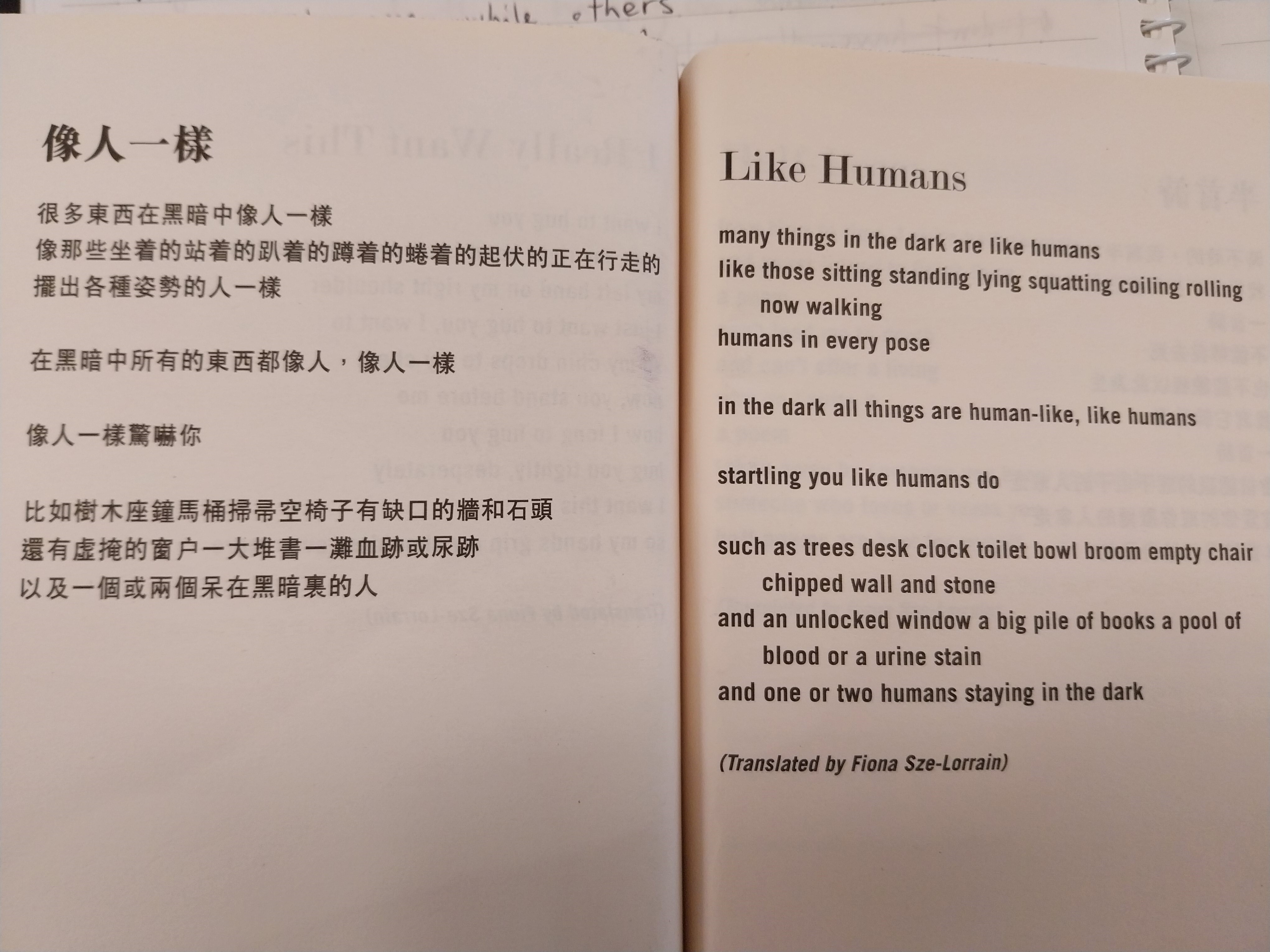
I was gonna cut this off there, but I read through the book again and there’s another poem I like called Like Humans, which runs the same kind of dark, misanthropic ley lines as Sorceress, even though the form is dissimilar.
Also, I feel that only covering six poems is insufficient for a de-con-struc.
Seven is much healthier.
+
+
This poem, from a gut response, completely strips ‘others’ of sentience + subjectivity, reduces other others to not even an otherness that implies mysterious ontology, but simply a [derogatory] object-state.
But then she also situates it in the realm of the dark, which does have some mystery/danger.
Is she then horrorizing the tree, the desk, the toilet bowl, the big pile of books, the blood stain
like humans
or is she just draining everything of anything?
+
‘In the dark all things are human-like, like humans.’
+
In a poetic sense, I appreciate the form of this [not that I’m a poet, my cento and port-cento are both struggling badly at the moment].
The similarity of ‘human-like’ and ‘like humans’, yet also their connotative difference.
Human-like = suggestive of something imitating humans [in my mind]
Like humans = naturally/objectively similar to
Thinking about it, this may not be a connotative difference at all. And my definitions are most likely “off.”
But I “feel” that it’s different.
That’s why it’s there, repeated.
Is it different?
From a human POV, if you say something is human-like, are you putting yourself, a human, as the superior state? Something that others would try to copy/ape?
Then, if you claim something is like humans…you are not classifying yourself as such, you are stepping beyond that state, or, as you are still sadly human, looking down on your body-state, wishing yourself to be a remote observer [ablated? Excised?]
There is a difference.
I’m certain there is now.
But the poem’s title is Like Humans.
The whole thing is a scientific ramble.
Without any science.
Losing my way a bit here…
The author could be a detached agent in the solipsistic sense i.e. the way she regards ‘others’ as ‘humans’.
From this perspective, she is sharing space with me.
And most others who look at psychology.
We look the same, more or less, but what is the insanity beneath it all?
Or, in my case, the lack of it?
Not mine, others.
Why are they all so normal?
+
That last part was a bit of a mess.
But I think my Chinese cut-up poems read okay.
Maybe I should do some more?
Go through Blue Blood Person and try to make something out of the lines in that. Or the Sorceress chapbook I mentioned before. Email the result to Yu Xiang, wherever she may be.
China, I think.
Watching a leaf fall?
Holding a human heart?
Reading Planet Rasputin?
Wondering where Eric Stoltz went?
+++
Low Key came from my local library but I’m sure it’s available somewhere online too, you just have to be persistent.

 PsYChO hOLosUitE [zine]